



Scientists at the California Institute of Technology (Caltech) have developed a system of nanorobots called BrainBots that can cross the blood-brain barrier and deliver drugs to the brain. The technology could help treat brain cancer and neurological diseases.
The research was led by Wei Gao, a professor of medical engineering at Caltech. Experiments showed that light-activated nanorobots delivered approximately five times more medication to the brain than their inactive counterparts. The findings were published on November 25 in the scientific journal Science Robotics.
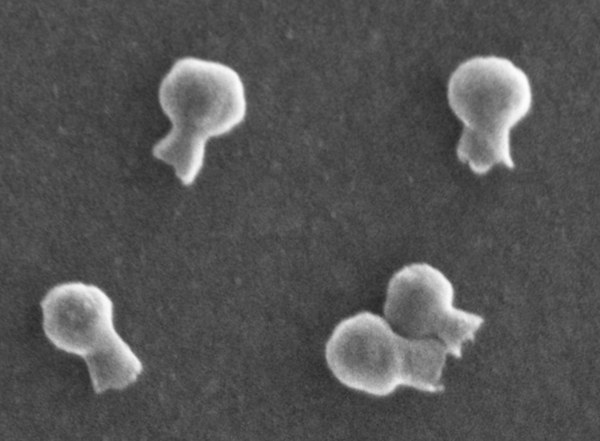
The blood-brain barrier protects the brain from harmful substances but also prevents many drugs from entering it. Scientists developed tiny particles measuring approximately 250 nanometers that are injected into the bloodstream and move toward the cells of the barrier when exposed to near-infrared light. The particles carry special DNA molecules on their surfaces that help them recognize and bind to these cells. After crossing the barrier, the nanorobots break down and release the medication.
Experiments in mouse models of glioblastoma, the most common type of brain cancer, showed that the nanorobots increased the delivery of the chemotherapy drug doxorubicin to the brain. The treatment slowed tumor growth and extended the animals' lives without causing noticeable damage to the blood-brain barrier. It also reduced the drug's toxic effects on the body as a whole compared with conventional administration.
Related News

The researchers note that only some of the nanorobots managed to reach the brain. The remaining particles in other parts of the body, like other drug delivery systems based on nanoparticles, will break down and accumulate in organs such as the liver and spleen. The team plans to improve the system, investigate its long-term safety and stability, and assess its potential for clinical use. Further research will be needed before trials in humans can begin.
The blood-brain barrier has long been one of medicine's major challenges. It protects the brain while also limiting the effectiveness of many medications. BrainBots takes a different approach by attempting to deliver drugs directly to the cells that need them, rather than bypassing this protective mechanism through a general intervention. The movement of the nanorobots is controlled using light. This could be particularly useful for diseases in which treatment effectiveness depends on delivering sufficient amounts of medication to the brain.



However, results obtained in mice do not yet mean that the same level of effectiveness will be achieved in humans. Only a fraction of the nanorobots reached the brain, and their long-term effects, breakdown process, and safety must also be understood before they can be used to treat people. The researchers' next steps will focus on finding answers to these questions. Until then, the technology remains a promising experimental approach rather than a treatment ready for clinical use.