




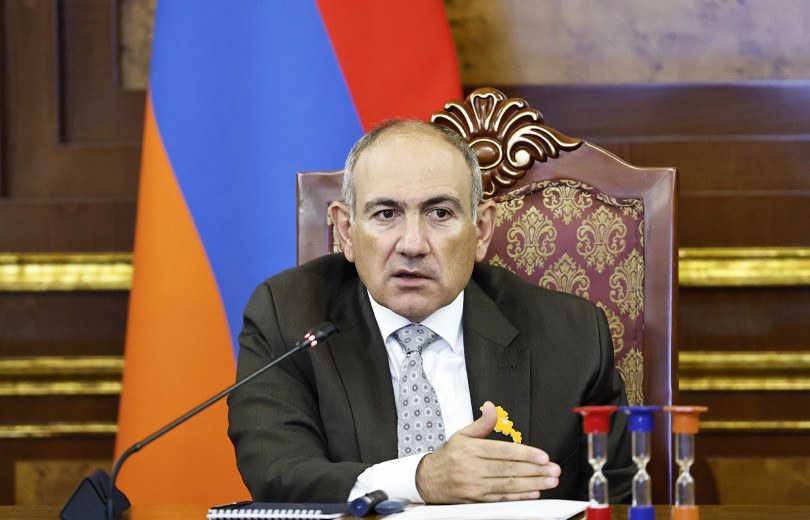
During a consultation led by Prime Minister Nikol Pashinyan, the steps to be implemented in 2027 under the strategy for introducing universal health insurance were discussed.
In particular, options for including individuals with a monthly salary of up to 200,000 drams in the system and issues regarding the involvement of employers in the insurance premium payment process were presented. The Prime Minister noted that possible scenarios are being discussed while also considering certain shadow schemes operating in the lower wage segment, which they seek to avoid encouraging.
Thus, starting January 1, 2027, the state might subsidize a portion of the required 10,800 dram expense, employees would pay 2,000 drams, and employers would pay the remaining amount until salaries increase. According to a possible scenario to be launched from 2028, the employee will pay 6,000 drams, which will later be refunded as a social credit, while the employer will continue to pay the remaining portion.
The task has been set that as of January 1, 2029, all strata of the population must be included in the system, which should be continuously accompanied and serviced in connection with changes in the economy and wages.
The introduction of universal health insurance remains one of the state's most important reforms, the success of which largely depends on the balanced distribution of the financial burden and clear mechanisms aimed at reducing the shadow economy. This phased transition planned until 2029 requires constant monitoring and a flexible approach, as changes in economic indicators and wage thresholds will directly affect the stability of the system.