



Recent developments regarding subsoil oversight in Armenia raise serious questions about the functioning of state institutions. Law enforcement agencies are uncovering cases of illegal mining one after another, throwing the effectiveness of sector officials into doubt.
Recently, Khachatur Andreasyan, head of the Meghri community in the Syunik Province, was remanded in custody over charges involving illegal subsoil use and bribery. Pretrial restrictive measures were also applied to six other individuals within the framework of these proceedings.
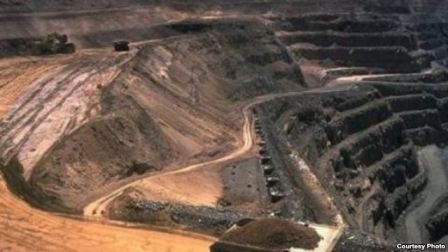
A second case was recorded in the village of Lchashen in the Gegharkunik Province, where a company conducted unauthorized mining for an extended period on land leased from the local municipality. Following disclosures by the Criminal Police, three individuals were arrested.
Armenia operates an Environmental Protection and Mining Inspection Body, which includes a dedicated Subsoil Supervision Department. This apparatus is funded by the state budget so that specialized inspectors prevent illegalities, rather than having police discover them months later.


Notably, during a conference held on March 17, 2026, featuring Nikol Pashinyan, the head of the inspection body, Hovhannes Martirosyan, and department head Vahan Grigoryan were nominated in the category of "Technology-Driven Innovation." This nomination was made at the proposal of Arayik Harutyunyan. In 2025, Hovhannes Martirosyan's annual salary amounted to 18 million drams, while Arayik Harutyunyan earned 31.5 million drams.
Under the current circumstances, the actual results of this innovation remain unclear. When similar abuses surface across different provinces within a short period, the failure of state oversight becomes obvious. If investigations reveal that officials were aware of the illegal activities and remained inactive, they too should be held accountable.



The current situation demonstrates that every level of state supervision must be evaluated purely by tangible results, rather than by formal nominations or high salaries awarded at official events. When law enforcement detects illegalities instead of the specialized inspection body, the question of the system's effectiveness becomes more than clear.
Looking ahead, investigations by law enforcement agencies will show whether there was negligence or inaction in the conduct of responsible officials. The further progression of these cases will serve as an important indicator of the state apparatus's capacity for self-cleansing and accountability.