


The word "robot" was first heard in 1920, in Czech writer Karel Capek's play "R.U.R." (Rossum's Universal Robots). The first real robot, Unimate, was created in 1954 by American George Devol, while the largest humanoid robot, Mononofu, reaches a height of 8.46 meters. The smallest, Mitsuya Tatsuhiko's miniature, is just 57.676 millimeters, and the most powerful, Titan, can lift 1,000 kilograms.
Robots are machines that automatically perform both simple and complex actions. They are usually programmed by computer, but no single definition of a robot exists. The ranks of robots include giant manipulators in car manufacturing, automatic vacuum cleaners, humanoid machines that can do somersaults, and robot dogs.
As technology develops, more advanced robots are appearing. Some robots powered by artificial intelligence (AI) are even capable of holding an ordinary conversation with a person. Robots have existed for decades, and you are probably reading this article on a computer or phone that may have been assembled by a robot.
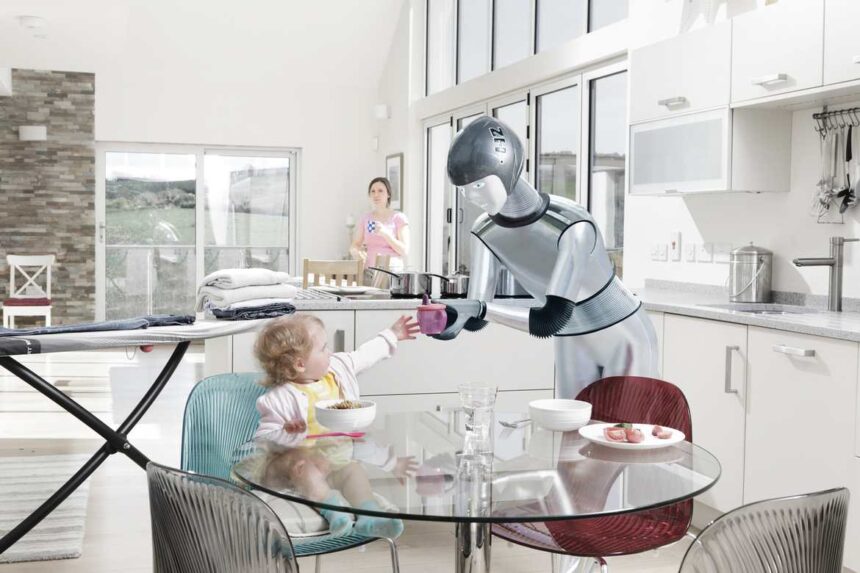
According to experts, there are nine types of robots. Industrial robots are used in production and assembly lines. Collaborative robots work alongside people during production or testing. Service robots help deliver medicine or provide customer service. Mobile robots can move around warehouses, transporting items or inventory. Autonomous mobile robots also move around, but are smarter and adapt more quickly to complex environments.

The conversation about robots usually quickly turns into an argument about job losses, but the facts in this piece show a more complex picture. A robot is first and foremost a tool programmed by people, and that programming itself creates new professions, from coders to technicians who service the devices.
It is noteworthy that despite the buzz around AI, most robots still run on traditional programming. This means the era of "smart machines" is only just beginning, and the infrastructure is being shaped right now that will determine, in the coming decades, which sectors will see replacing humans become commonplace.


Search-and-rescue work after earthquakes or patient care are good examples of how a robot can complement a person rather than simply take their place. The real question is not "will they replace us?" but how quickly the labor market and education system will adapt to that change.