




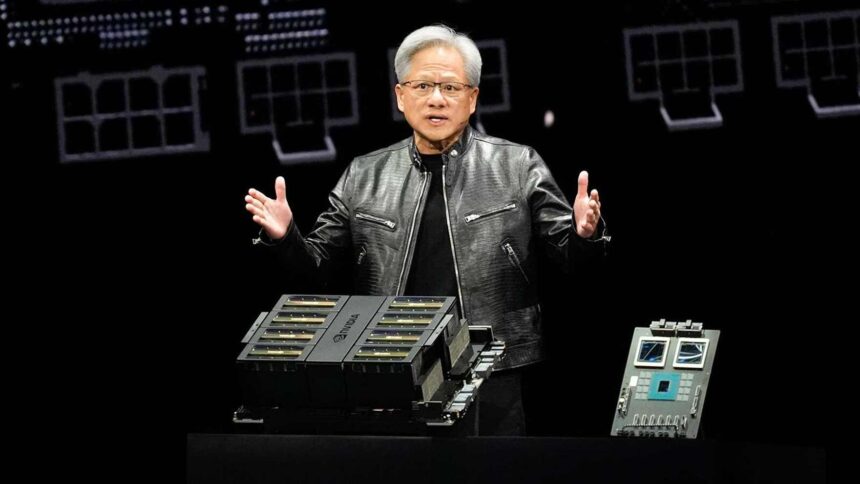
Nvidia CEO Jensen Huang's fortune fell by $15.1 billion in a single day, and he has dropped out of the world's ten richest people. According to Bloomberg, his capital decreased to $150.9 billion, following a sharp decline in Nvidia shares on November 5. In the Bloomberg Billionaires Index, Huang fell from 9th to 13th place.
The company's shares fell 9.26% in exchange trading. Bloomberg links the sharp drop in quotations to investors' concerns about a Democratic victory in the US congressional elections and a possible tightening of data center construction. It is expected that both chambers of Congress under Democratic control could advocate restrictions on data center construction, which plays a key role in the development of artificial intelligence infrastructure.
The decline also affected other major billionaires. According to Bloomberg estimates, the combined wealth of the world's 500 richest people shrank by $185 billion in a single day, one of the largest one-day reductions in their capital since the index was launched in 2012. The agency notes that the sharp fall in technology company shares occurred after a prolonged rise linked to the artificial intelligence "boom"; before that, the owners of the largest technology corporations could have ended the year with record wealth growth.
Nvidia is an American technology company specializing in the development of graphics processors and artificial intelligence solutions. The company's headquarters is located in Santa Clara, California.
The figures are impressive, but they are only a snapshot of a single day. The Bloomberg ranking is calculated based on current stock quotations, so such declines often reflect market sentiment rather than actual capital losses. For Huang, this means a paper loss that could recover as quickly as it occurred.
More interesting is the backdrop against which the decline occurred. Investors' concern over possible restrictions on data center construction directly hits the very business model that has made Nvidia one of the main beneficiaries of the artificial intelligence era. If Congress does tighten the rules, the question will not be about a one-day loss but about a slowdown in the investment cycle.

For now, it is unclear how serious these concerns are and whether they will translate into actual legislative changes. It is precisely this uncertainty that will determine the tone of the technology sector in the coming weeks.