



Around 5,000 years ago, people in Scandinavia may have used fermented dairy products during burial rituals. Scientists reached this conclusion after examining damage to Neolithic clay vessels and comparing it with the results of experiments recreating ancient food preservation methods. The study was published in the journal Antiquity.
The researchers examined 330 clay vessels from the Middle Neolithic period, dating from 3300 to 2800 BC. They were discovered in the western part of Denmark's Zealand island, at burial sites, settlements and in marshy areas. Traces of damage were found on 31 vessels, 29 of which had been discovered in dolmens and other passage graves.
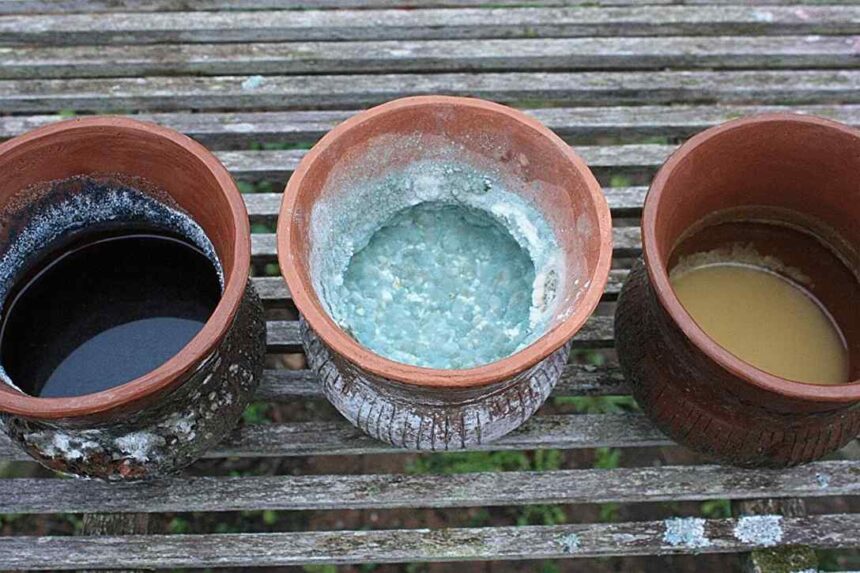
To determine what might have been stored in these vessels, the researchers made replicas and filled them with milk, beer, vinegar, mead and other products available to ancient farmers. After some time, they compared changes to the surfaces of the experimental vessels with the damage found on the archaeological artifacts.
The closest match was observed in a vessel that had contained fresh, unpasteurized milk. Its surface had developed pits and flaking, resembling the marks preserved on the ancient pottery. This led the researchers to suggest that the vessels may have been used to ferment dairy products.


Fermentation played an important role in early farming societies because it helped preserve food for longer, change its flavor and, in the case of milk, reduce its lactose content and make it easier to digest. Nevertheless, scientists cannot yet say with certainty what was actually stored in the ancient vessels.
According to lead author Lone Claudi-Hansen, affiliated with the University of Copenhagen and the Museum of West Zealand, the findings suggest that the contents of the vessels may have been connected to their placement inside burial structures. Dairy products and beverages may have held particular symbolic significance for Neolithic communities.



However, the scientists caution that the experimental results provide only grounds for proposing this hypothesis. They do not conclusively establish either the composition of the products stored in the vessels or their specific ritual significance.
An interesting aspect of this study is that the scientists attempted not only to describe the archaeological finds but also to recreate their possible uses. By comparing damage to the clay vessels with the effects of different food products, they developed a hypothesis linking everyday food processing with burial rituals.
There are, however, two separate questions to consider. Suggesting that dairy products were stored or fermented in the vessels is one thing; claiming that they were specifically intended for the dead is another. The findings do not yet provide definitive answers to either question. Future research will need to establish whether similar traces can also be found in other burial structures and how they differ from those found on vessels discovered at settlements.