




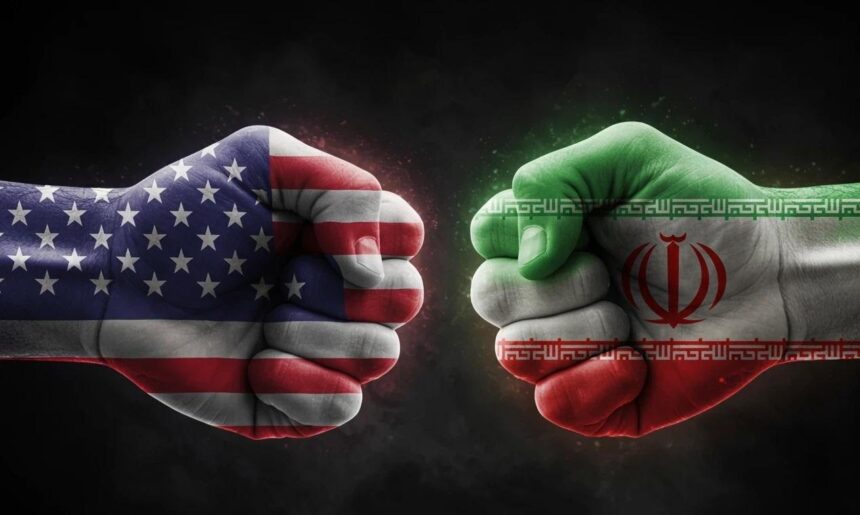
Analitik.am — On April 8, Donald Trump announced a two-week ceasefire with Iran, agreeing to halt bombings. The parties plan to hold the first round of negotiations on April 10 in the Pakistani capital. The US will be represented by JD Vance, Steve Witkoff, and Jared Kushner, while the Iranian delegation will be led by Parliament Speaker Mohammad Bagher Ghalibaf.
Immediately after the ceasefire, however, the situation remains explosive. The Israeli side reports that Iran has launched missiles toward them, while the Israeli Air Force continues its strikes. Benjamin Netanyahu has emphasized that the ceasefire does not extend to Lebanon, where operations against Hezbollah are ongoing. In response, the Iranian Foreign Ministry stated that the attack on Lebanon is a violation of the agreement.
Simultaneously, new incidents are being recorded in the region. Explosions have occurred in southern Iran, and a strategically significant oil pipeline in Saudi Arabia has been attacked in the Persian Gulf. Infrastructure facilities in Kuwait have also been targeted by drones. Pentagon chief Pete Hegseth stated that Iran's Supreme Leader Mojtaba Khamenei has been wounded and that Iranian industry has been destroyed.
White House Press Secretary Karoline Leavitt reported that Tehran was forced to revise its proposals, as the initial 10-point plan had been completely rejected. Now, the parties are discussing a new framework based on a 15-point proposal, with the security of the Strait of Hormuz being one of the main conditions. The Prime Minister of Pakistan has called on the parties to show restraint, but this course of events indicates that the ceasefire is extremely fragile, and the prospect of the negotiations taking place remains highly uncertain.