




The United States and Iran have exchanged strikes for the second time this week, resulting in dead and wounded.
The U.S. Central Command carried out strikes overnight against multiple targets of the Islamic Revolutionary Guard Corps in various parts of Iran, describing them as a response to previous Iranian attacks on commercial ships in the Strait of Hormuz and American facilities in the region.
The American strikes killed at least 18 people in Iran, including military personnel and members of the Basij paramilitary force.
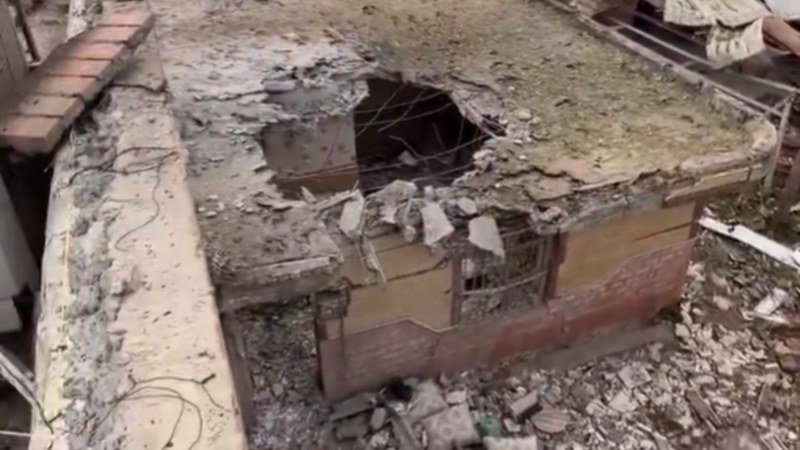
A particularly severe incident occurred near the southern port city of Sirik, where the Iranian side says U.S. forces hit a residential building where a wedding party was taking place at the time. At least four people were killed in that strike, including one child, and another 50 were wounded.
The bride's father, Ali Molahi, said it was his daughter's wedding and expressed deep grief and distress. One of the injured at the hospital recounted that they had just arrived at the wedding venue when they heard the sound of a fighter jet, followed by a blast. According to him, many children and women suffered terrible injuries, and all were ordinary civilians.
Iranians view these attacks on civilians as a sign of U.S. weakness rather than strength. One Tehran resident noted that when U.S. forces face Iranian forces and see the weakness of their defensive capabilities, they attack innocent people, such as wedding guests. Another citizen added that an attack on a wedding party by a powerful country precisely shows the stark difference between nations.

The military escalation between the sides reached a new level this week, and it is particularly notable that the latest strikes have also killed civilians with no connection to military operations. The bombing of a residential neighborhood during a wedding ceremony seriously complicates the situation and focuses international attention on the protection of civilian objects.
Trump's statements, in which he emphasizes control over the Strait of Hormuz and Iran's economic decline, show that the U.S. views military pressure as a key tool, despite skepticism toward the negotiation process. On the other hand, Iran's response, which indicates attacks on U.S. bases in several countries, risks turning the conflict into a broader regional confrontation.
As the sides continue to exchange mutual accusations, the question arises whether the international community will manage to intervene and halt the military operations, or whether the situation will continue to escalate, bringing new casualties. It is clear that without a clear diplomatic path, the prospect of restoring stability in the region remains uncertain.