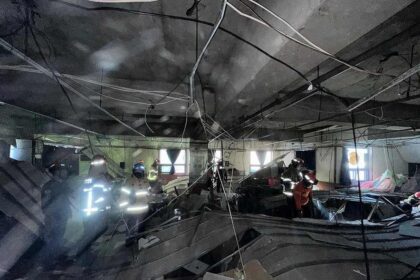

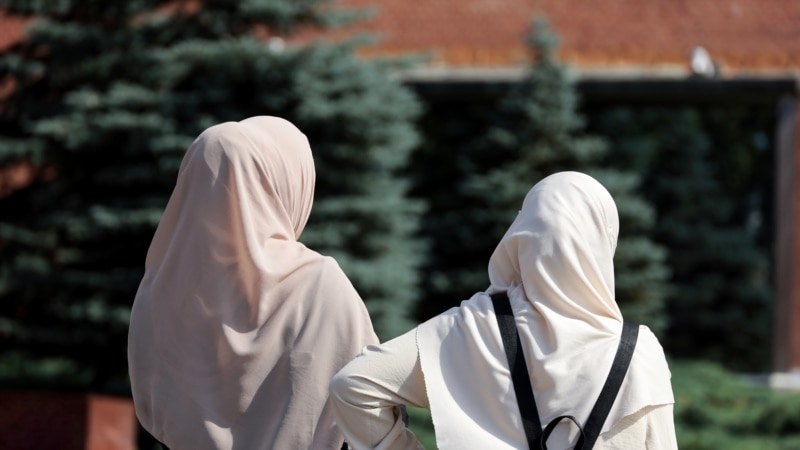
Protests against hijab restrictions in Baku have intensified, with dozens of people arrested today and a school principal’s car reportedly set on fire. Demonstrators are protesting new school dress code rules that prevent female students and teachers who wear hijabs from entering schools.
Videos circulating on social media show broken school windows, while some footage captures protesters chanting “Freedom for the Hijab.” Other videos show students who have been expelled from school crying and embracing their teachers. According to local media reports, students at least two schools have boycotted classes.
The wave of discontent began in September, when Azerbaijan introduced new school dress code rules. Although the regulations do not explicitly mention the hijab, they require school attire to comply with the country’s principles of secularism. The Interior Ministry reported that 37 people had been arrested and said a criminal case had been opened on charges of organizing or participating in actions that violate public order. Police claim that some individuals damaged educational institutions and attempted to obstruct traffic.
The protests have also drawn a response in Turkey. On September 23, President Recep Tayyip Erdoğan criticized restrictions on Muslim women’s and girls’ headscarves at the UN General Assembly, linking the issue to religious freedom and women’s rights, but he did not mention Azerbaijan. In early October, the Turkish human rights organization Özgür-Der organized a demonstration outside the Azerbaijani consulate in Istanbul.

The dispute over school dress codes has gradually moved beyond educational institutions and become part of a broader debate about religious freedom and state secularism. When rules do not clearly specify which types of clothing are prohibited, their enforcement can clash with the views of parents and teachers, allowing discontent to spread rapidly.
Baku’s statements about an information campaign raise a separate question. Assessing such claims requires verifiable evidence, particularly when the authorities do not identify the source of the alleged interference. At the same time, Turkey’s response shows that domestic education policy can also affect public relations between the two countries.

The main indicator of what happens next will be not only the scale of the protests but also whether the authorities decide to maintain the current rules or revise how they are enforced. For now, independent data are insufficient to accurately assess the geographical spread of the protests or the number of participants.