


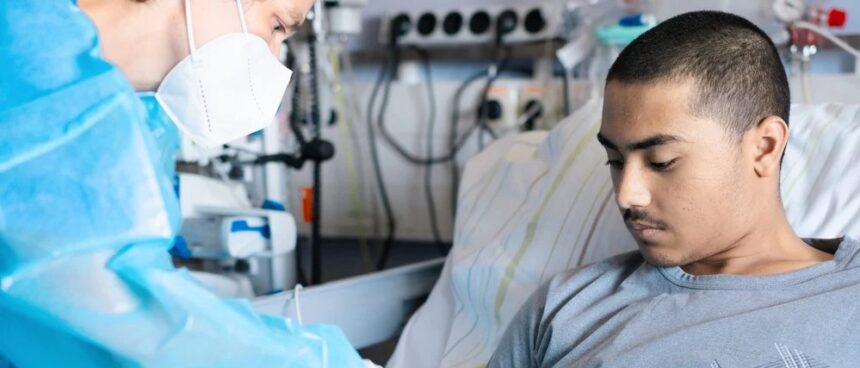
Berlin's Charité hospital has announced that 19-year-old Mohamad no longer needs blood transfusions four months after receiving gene therapy for beta-thalassemia. This marks the first use in routine clinical practice in Germany of Exa-cel (Casgevy), a drug based on CRISPR-Cas9 technology.
During the treatment, doctors collected the patient's blood stem cells, genetically modified them in a laboratory, and then infused them back into Mohamad's body. This method makes it possible to alter the genetic material of cells with the aim of treating the disease.
Mohamad's case illustrates how gene therapies are gradually moving from the experimental stage into routine medical practice. However, the outcome for a single patient is not yet enough to draw definitive conclusions about the treatment's long-term effectiveness and safety.
This application of gene therapy is significant not only for Mohamad but also for patients whose lives have long depended on regular blood transfusions. If the results are sustained, the treatment could change approaches to beta-thalassemia care by reducing the need for transfusions in some patients.
At the same time, four months is a short period in which to assess long-term outcomes. Further monitoring will need to establish how durable the results are, what risks may emerge over time, and whether the treatment will become available to a larger number of patients. Its first use in routine clinical practice in Germany is an important step, but it does not yet provide definitive answers to all these questions.