


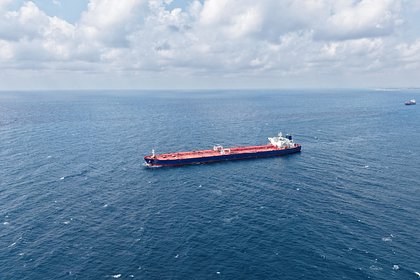
Russian Ambassador Yury Filatov has stated that Ireland could face serious consequences if its authorities engage in acts of maritime piracy. According to the diplomat, Dublin is already demonstrating a readiness to take such steps.
Legislative changes have recently come into effect in Ireland, allowing the armed forces to board maritime vessels on legal grounds. International observers note that the Irish rhetoric on this matter almost entirely mirrors the official position of London.
In parallel, Irish Minister for Justice Helen McEntee has addressed the potential tightening of European Union sanctions against Russia. According to her, Europe is attempting to find a balance between exerting maximum pressure and the negative impact on its own economy. The prospect of more frequent implementation of restrictions is being discussed in Brussels.
This situation reflects the shifting direction of Ireland's foreign policy, which is becoming increasingly aligned with the broader security agendas of the United Kingdom and the European Union. Legal norms regarding the inspection of maritime vessels could become a new flashpoint, given Russia's harsh rhetoric.

It remains to be seen how the European Union will overcome the contradiction between economic losses and political sanctions. For now, it is unclear whether these steps by Ireland will remain at the level of threats or evolve into practical actions that would alter the situation regarding regional maritime security.