




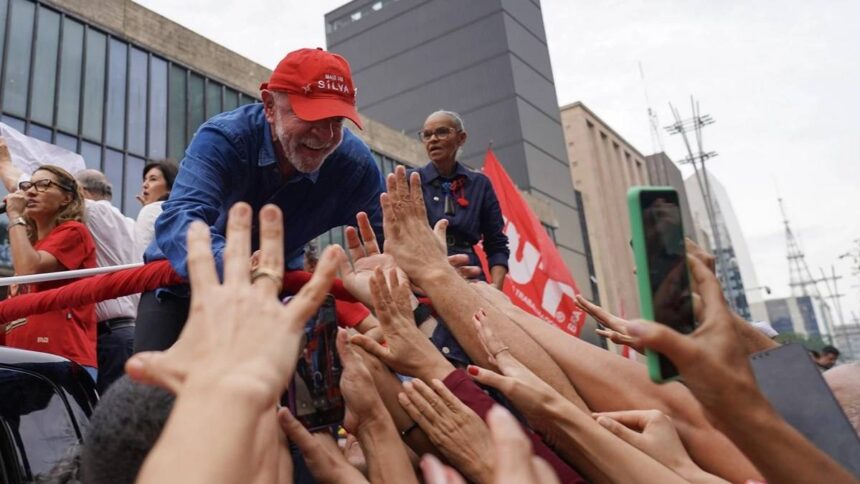
Brazil's incumbent President Luiz Inácio Lula da Silva has been re-elected to office, prevailing over Senator Flávio Bolsonaro in the second round. As of now, 99.79% of ballots have been counted, with Lula da Silva receiving 51.76% of the vote and his rival Bolsonaro 48.24%.
The remaining uncounted votes can no longer change the outcome. Bolsonaro can no longer close the gap. Earlier, the polling firm Datafolha had also reported that Lula da Silva was winning the second round of the election.
The second-round result shows that Brazil's electorate is split almost evenly—51.76% to 48.24%. Such a narrow margin means that the re-elected president will have to govern without a broad mandate, which will have a serious impact on legislative initiatives in the coming year.
Notably, Datafolha had predicted the result even before the official count was completed. This once again underscores how great the role of polls is in Brazil's political life and how sensitive society is to such forecasts.
The question of the remaining votes, although it does not affect the outcome, is still important: they could change the final percentage picture and influence public perception.