



Social media accounts linked to Russia, US President Donald Trump’s MAGA movement, and Israel have attempted to exploit mass protests and unrest in France to discredit the country’s authorities. This is the conclusion reached by European experts specializing in combating disinformation after examining widely circulated posts.
According to an EU analysis, Russia’s Matryoshka bot network, also known as Operation Overload, circulated videos in the names of Western media outlets, claiming that terrorist attacks were being planned in France and that migrants had raped protesters. Accounts linked to Russia sought to portray the country’s leadership as “weak and increasingly authoritarian.”
However, experts found no evidence that Moscow or other actors had instigated or escalated the protests. According to France’s Foreign Ministry, the ten most-viewed posts on X circulated by pro-Russian accounts between October 16 and 18 garnered 2.8 million views.
That figure was significantly lower than the number of views accumulated by accounts linked to the MAGA movement, as well as posts by Israeli officials and bloggers. According to France’s Foreign Ministry, these accounts also spread “hostile information” about the unrest, linking the events to radical Islamism and migration.
The ten most-viewed posts about the unrest in France published by officials, media outlets, and bloggers linked to the MAGA movement garnered more than 49 million views in three days. Similar posts by Israeli officials, government institutions, and bloggers received a total of 35 million views.
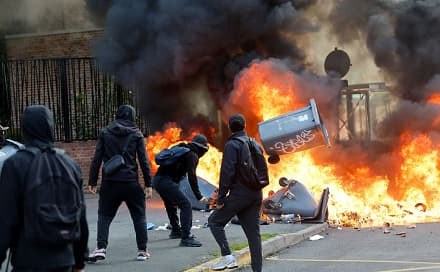
Mass protests in France have been ongoing since late September. Initially, school pupils and university students took to the streets to protest cuts in education spending and the rising cost of living, later joined by other groups in society. The demonstrations have frequently been accompanied by unrest and clashes with police.

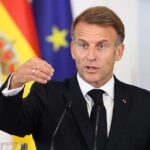
These figures show that the information battle surrounding France is not confined to a single country or political camp. Different actors are using the same events to promote narratives aligned with their agendas, while view counts provide an indication of the reach of these posts.
However, a large audience does not necessarily mean that a post has changed people’s views or influenced events on the streets. It is important to distinguish attempts to exert influence through information from the actual organization of protests: the EU experts’ study documented the former but did not establish the latter.