



A joint exhibition of Armenian and Turkish artists has opened in Yerevan, which has sparked heated discussion against the backdrop of political tension. At the same time, claims continue to be heard that a demand for Turkey to shut down the nuclear power plant has never existed, and that this issue is not being discussed with them.
According to Khudatyan, the letter received regarding the gas price was answered, but he does not want to quote its contents. The same Khudatyan expressed confidence that his Iranian counterparts have no concerns regarding TRIPP.
Meanwhile, Ilham Aliyev demonstratively "opened" the hospital built by Samvel Karapetyan in Stepanakert, which also creates additional tension in the region.
Separately noteworthy is Sarik Minasyan's observation that when conscripts were being taken from Shirak to Karabakh, their parents were plunged into mourning. In Gyumri, according to him, there could be a governance crisis, since he lost not to Vardan Ghukasyan but to 4 forces.
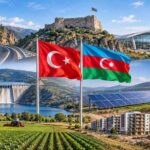
In the political arena, accusations against Pashinyan continue to be voiced as well, related to the intention to consign the Genocide to oblivion.
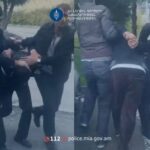
A separate incident was also recorded in connection with insolent behavior toward a 24News journalist: the Artsakh resident who displayed such behavior owes the fund 15 million drams.



On September 27, there were 4 Azerbaijani vehicles in the yard, and they were saying "не бойтесь," we won't do anything to you. These testimonies show the atmosphere in which Artsakh residents found themselves.
Khachatur Sukiasyan is being compared to Nikol, noting that he too is unbalanced, and they are turning the Artsakh resident into an "enemy."
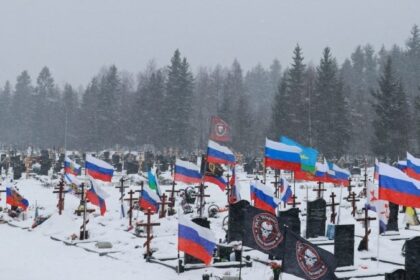
Against all this, the confession of an Artsakh woman sounds especially painful: "My husband's grave is in Artsakh, I don't know if it's still there or the Turks destroyed it, the longing is suffocating me, I don't sleep at night."
The cruelest thing in this story is not the political statements but the silence in which the fates of ordinary people remain. When they talk about the gas price, the nuclear power plant, or exhibitions, it is easy to forget that behind all these decisions are concrete people who today do not know whether their relatives' graves remain or not.

This is a question that no negotiation will resolve and no statement will close. For Artsakh residents today, the most important issue is not return or compensation but basic human dignity—knowing that the memory of their loved ones has not been trampled upon.
In the coming months, as political negotiations continue, it is worth remembering that the true scale of this story is measured not in kilometers or agreements but in the nights when someone cannot sleep from longing.