

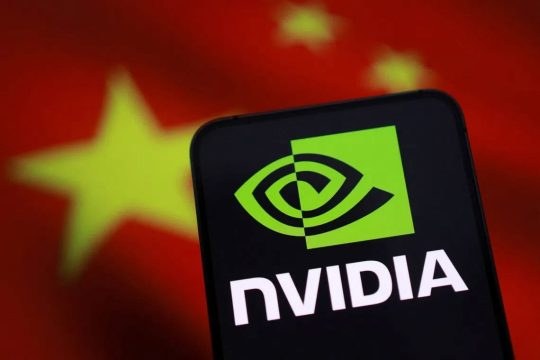
An institution with close ties to China's military successfully acquired powerful Nvidia H200 artificial intelligence chips last month, despite being on a U.S. export blacklist. According to procurement documents, Northwestern Polytechnical University received two units of the hardware, paying 874,700 yuan, or roughly $123,000. The university belongs to the "Seven Sons of National Defense" group, whose institutions face strict sanctions and have previously engaged in defense-related research.
Notably, the transaction was carried out not directly through the manufacturer, but via a local supplier company, reaching the university's School of Management. H200 chips possess high computing power and are designed for training advanced systems, which is why their export is tightly controlled under the U.S. licensing system. Because the Xi'an-based university conducts research on military aircraft, missiles, and satellites, the U.S. Department of Commerce has imposed restrictions on it since 2001, later tightening the conditions even further.
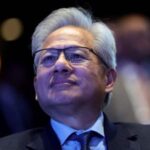
This development comes as Nvidia CEO Jensen Huang faces scrutiny over efforts to ease restrictions for the Chinese market and potential ties there. While the company defends continued sales as a way to maintain U.S. technological leadership, American lawmakers are concerned that such technologies could accelerate China's military modernization and weapons development. Consequently, members of Congress are demanding stronger oversight and tracking of chip movements.
This case clearly demonstrates that significant vulnerabilities still exist in global technology control systems, allowing restricted entities to bypass bans. Tensions between the U.S. and China over high technology are gradually evolving into a broader regulatory issue, where even indirect purchases can trigger major political backlash. Further tightening of restrictions is likely ahead as lawmakers seek to close any remaining loopholes.