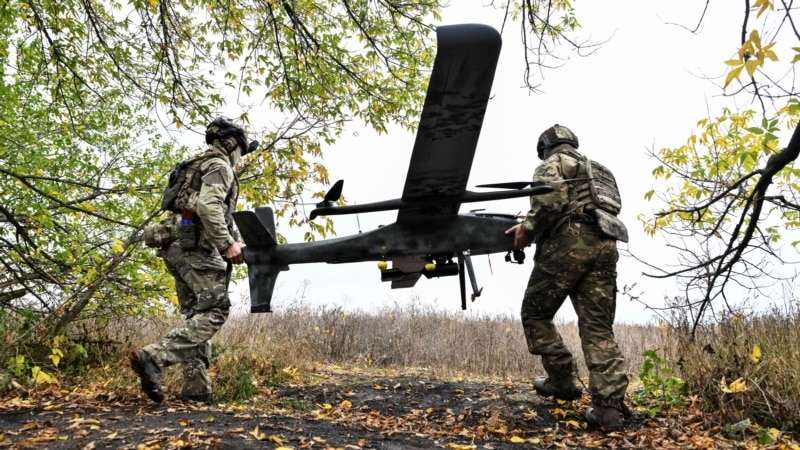
Ukrainian drones attacked the Dorogobuzh chemical plant in Russia’s Smolensk region overnight. Videos posted on social media by eyewitnesses show an explosion and a fire breaking out at the facility.
According to Ukrainian monitoring channels, the suspected target was an ammonia production facility, although Russian authorities have not confirmed this information.
Smolensk Region Governor Vasily Anokhin said that 32 drones had been shot down over the region overnight. According to him, an industrial enterprise, an energy facility and a private house were damaged, but he did not specify which company had been hit. No casualties or injuries have been reported.
The Dorogobuzh plant is part of Acron Group and is one of Russia’s largest mineral fertilizer producers. It accounts for approximately 11% of the country’s total ammonium nitrate production. The substance can be used to manufacture explosives.


Ukrainian forces last attacked the plant with drones in February 2026. Seven people were killed in that attack, including two employees of the Ministry of Emergency Situations.
Russia’s Defense Ministry said it had destroyed 310 Ukrainian drones overnight. According to the ministry, Russian forces struck facilities in Ukraine’s defense industry, as well as energy and transport infrastructure in several regions, including Kyiv.



The ministry also reported strikes on port infrastructure in the Odesa region and on vessels used for military purposes by Ukraine.
The significance of the Dorogobuzh plant extends beyond its production capacity. Its share of ammonium nitrate production means that the operation of such a facility can also affect fertilizer manufacturing. At the same time, its potential military significance makes the plant a particularly sensitive target.
Several aspects of the incident remain unclear. The regional governor confirmed that an industrial enterprise had been damaged but did not identify it, while Russian authorities have not confirmed reports of an attack on the plant. Therefore, officially reported damage should be distinguished from claims about the specific target of the attack.
The casualties in the February attack also demonstrate that the consequences of such incidents can extend beyond military infrastructure. No casualties have been reported this time, but the actual extent of the damage to the plant remains unclear.