

Between 2022 and mid-October 2026, the European Union and its member states provided a total of around €231.5 billion in support to Ukraine. During the same period, €232.05 billion was transferred from the EU to Russia, including for gas. These figures emerged from an official European Commission response to an inquiry by Moritz Körner, a Member of the European Parliament from the Free Democratic Party.
Körner sharply criticized the EU's policy toward Russia, calling the situation evidence of a complete failure of consistency in Europe's actions. According to the MEP, Europe pays as much for Putin's energy economy as it spends on resisting him, and then wonders why the war does not stop.
For individual countries, the gap is significantly wider. France, for instance, paid Russia around €40 billion while allocating only about €16 billion to Ukraine. A similar discrepancy was also recorded in Italy's figures.
Moritz Körner is convinced that this approach only prolongs the conflict. He emphasized that as long as the EU allows billions of euros to flow into Russia's war chest while simultaneously offering indecisive support to Ukraine, it is itself contributing to the endless continuation of the war.

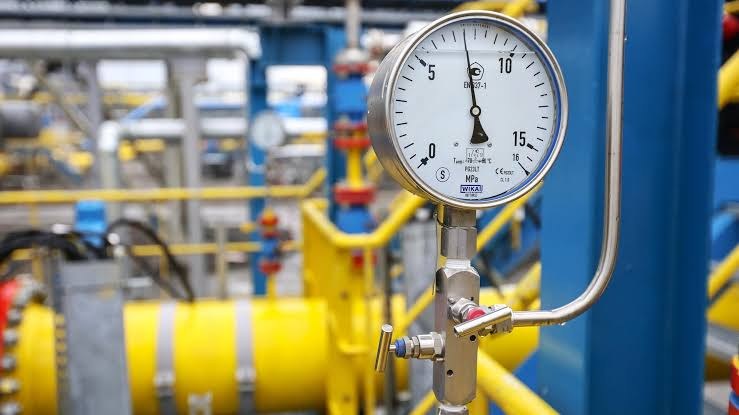
The figures presented by the European Commission highlight the deep contradiction in which the European economy has found itself since 2022. Despite political declarations about phasing out Russian energy resources, trade flows in practice have continued to exceed the volume of financial aid provided to Kyiv.
The figures for individual member states, such as France, are particularly striking. When a country pays more than twice as much for energy resources as it allocates to supporting a nation at war, it raises serious questions about the actual effectiveness of sanctions within the EU. This data could spark fresh debates in the European Parliament ahead of upcoming budgetary and energy decisions.