



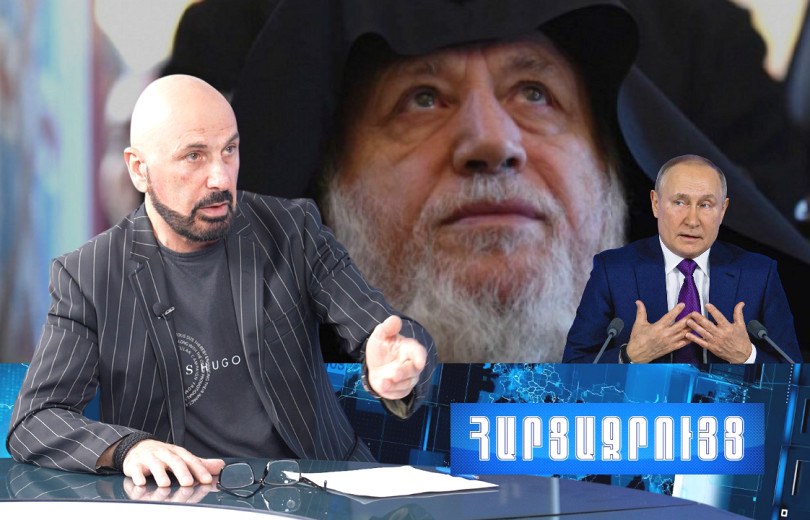
Political analyst Kamo Beglaryan has recently voiced a firm stance regarding the church leadership, specifically addressing the proceedings of the 1999 Catholicos election. He claims that the process lacked legitimacy, alleging that the vote was marred by intimidation and widespread bribery, and thus, according to him, Nersisyan cannot be considered a legitimately elected Catholicos.
The analyst also accused Karekin II and his brother, Ezras Nersisyan, Primate of the Diocese of Russia and New Nakhichevan, of treating church institutions as their own private business assets. According to Beglaryan, the church is in dire need of significant reforms today, and if the incumbent spiritual leader does not resign voluntarily, the public must take steps to remove him, drawing on historical precedents. The office of the Catholicos should be held by an individual free from foreign influence.
Beglaryan’s statements reflect the deep-seated public discontent with the church institution, which has increasingly become a subject of public discourse. It is noteworthy that the criticism targets not only personal qualities but also the issues of ties with Russia and the prevailing management style.
The question remains whether such statements can exert genuine pressure on the ecclesiastical system or if they will merely remain assessments voiced by analysts. The potential response, or conversely, the silence from the clergy in the near future will determine the extent to which this discontent influences the future management of the church.