



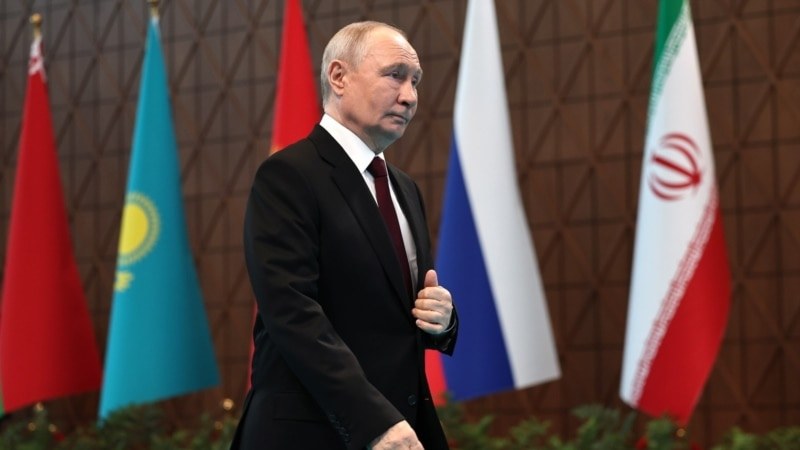
Russian Deputy Foreign Minister Mikhail Galuzin announced that Armenia must provide a clear response to the Eurasian Economic Union (EAEU) regarding its potential accession to the European Union by December. If Yerevan fails to hold a referendum within the specified timeframe, leaders of the EAEU member states will determine their future joint actions accordingly. This deadline was essentially set during the May 29 summit in Kazakhstan, which Nikol Pashinyan boycotted. At that time, Vladimir Putin and other leaders instructed their prime ministers to present the potential consequences of suspending Armenia's membership ahead of the December summit.
According to Galuzin, the people of Armenia must explicitly state whether they wish to withdraw from the EAEU in favor of the still-uncertain prospect of joining the EU. The Russian President demanded that the referendum be held "as soon as possible" during a phone call late last month. Pashinyan rejected this demand again last week during a meeting in Kyrgyzstan. He also noted that the law passed last year does not mean the country currently has the opportunity to become an EU member today. For that, Armenia would first need to submit a formal application and achieve candidate status. However, the Russian side views Pashinyan's statements as contradictory and confusing.
Meanwhile, the Armenian opposition considers steps toward European integration to be irresponsible. They emphasize that the EU is not prepared to admit South Caucasus nations in the near future. Anna Grigoryan, an MP from the "Armenia" faction, raised the question of what the purpose was in passing such a declaratory law if no real opportunity exists. Although Pashinyan hinted that Armenia cannot be removed from the EAEU without Yerevan's consent, experts and opposition members warn of severe economic fallout.
In late May and early June, Russia had already banned imports of Armenian agricultural products and mineral water. Moscow is also threatening to raise natural gas prices, restrict tourist flows, and tighten conditions for migrant workers.

Moscow's December deadline indicates that the EAEU is no longer willing to tolerate Yerevan's political ambiguity. A situation has emerged for the Armenian authorities where declarations regarding the country's foreign policy vector can no longer be made without consequences.
The economic restrictions imposed by the Russian side are merely the initial warning. If the political crisis deepens, a potential increase in gas prices and a reduction in remittances could significantly shock the Armenian economy. The coming months will reveal whether Yerevan will make concessions or if it is prepared to withstand serious economic pressure.