




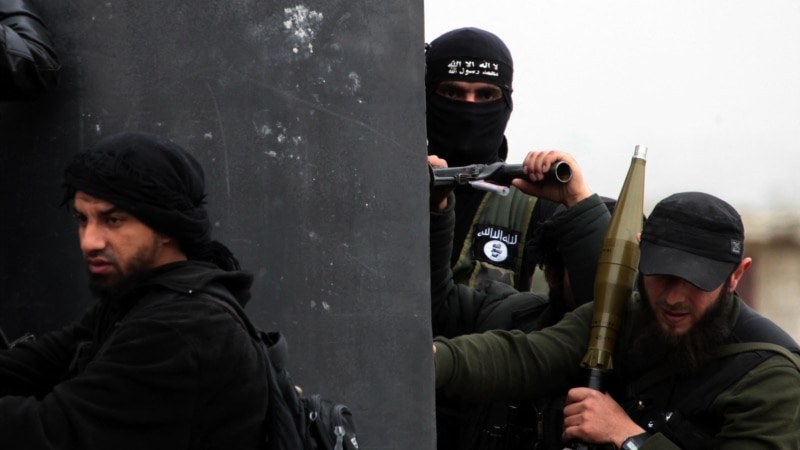
Twenty-five years after the September 11 attacks, the nature of terrorism has fundamentally changed, and today threats are no longer limited to organized groups. A striking example of this shift is the case of a 25-year-old Afghan man sentenced to life imprisonment for driving a car into a crowd in Munich, despite not being a member of any specific terrorist group.
In the past, the world battled structured organizations like Al-Qaeda, but today, so-called "lone wolves" have become dominant. These are individuals who are often radicalized by online propaganda and operate without centralized group instructions, making preventive work extremely difficult for security agencies. Experts note that the proliferation of artificial intelligence and social media has created platforms for new tools of influence, allowing people to be inspired to carry out attacks remotely.
At the same time, Al-Qaeda has not disappeared; it has transformed by creating a network of decentralized subgroups from Somalia to the Sahel region in Africa. These organizations continue to fund and coordinate their activities, often using online communication to recruit new volunteers. However, US counterterrorism strategy has shifted, focusing on effective threat management rather than total defeat. Achieving this goal, however, faces obstacles, as a shortage of specialists and new geopolitical tensions complicate intelligence gathering and security.
This shift demonstrates that while technologies help in the fight against terrorism, they also create new vulnerabilities. When counterterrorism resources are focused on other geopolitical conflicts, such as the tensions surrounding Iran, agencies inevitably lose their "eyes and ears" on the ground.
Ultimately, as technologies evolve, the loss of human intelligence leaves a dangerous gap in the security system. This trend is likely to continue as long as old methods of threat assessment fail to adapt to the unpredictability of the digital age.