




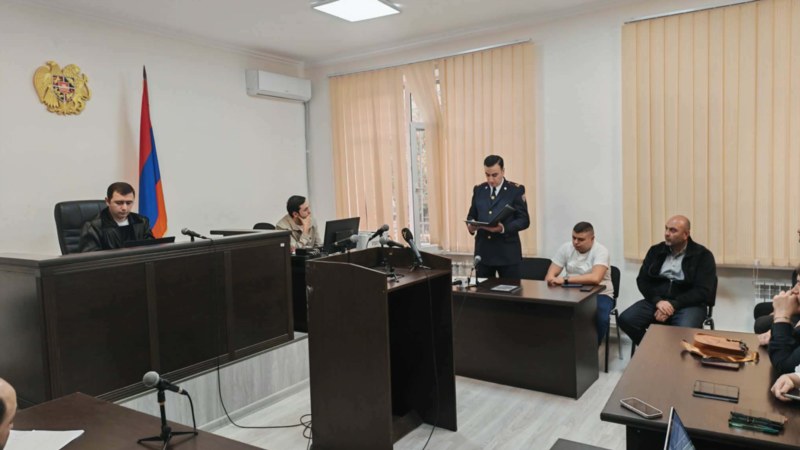
One of the court cases concerning the 44-day war is drawing to a close. The prosecuting attorney delivered his final speech, asserting that the guilt of the accused lieutenant colonel has been fully proven. He is expected to propose the sentence shortly.
According to the case materials, 18 servicemen were killed in a drone strike in the Ishkhanadzor area on October 9, 2020. Law enforcement officers maintain that the tragedy occurred due to an incorrect order issued by the deputy commander.
The case against the sole defendant, Lieutenant Colonel Andranik Veranyan, has been under trial for five years, during which several judges have been replaced. He is accused of abusing official authority during martial law out of personal interest, which negligently caused severe consequences.
The prosecutor addressed Veranyan's claim that the soldiers attempted to evade service and refused to follow orders to advance. The prosecution emphasized that the abuse of power is established and that the court should deliver a guilty verdict. The charge carries a sentence of 7 to 13 years in prison.



Veranyan himself denies any guilt. Throughout the trial, he insisted that he showed no negligence and had no connection to the soldiers' deaths.
More than 2,000 cases related to the war have been investigated in total, with around 40 sent to court. The exact number of verdicts handed down remains unknown. It is known only that Jalal Harutyunyan, the former commander of the Artsakh Defence Army, was found guilty of negligent attitude toward service and sentenced to 5.5 years in prison.



This trial, dragging on for five years, highlights the complexity and slow pace of legally assessing command errors from the 44-day war.
Out of thousands of investigated cases, only a few dozen have reached the court, pointing to difficulties in gathering evidentiary support. Establishing causal links between the actions of commanders and soldiers often requires years of investigation.
The verdict to be delivered in this case will serve as an important precedent in defining accountability for orders given in wartime situations.
