




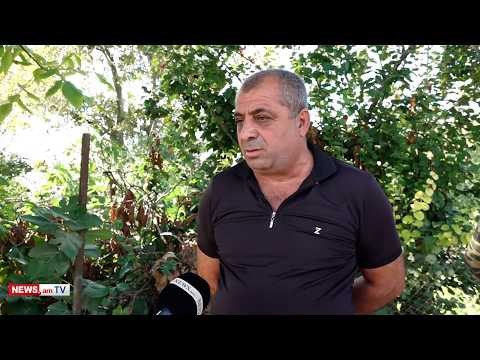
Residents of Verin Dvin held a protest on October 9 against the organization of tomato procurement. After the subsidy was removed, farmers are unable to sell their produce.
One of the farmers says he has accumulated about 100 tons of tomatoes: "They're field tomatoes—we haven't sold them, nothing. Once we gave some lightly to the traders, they took them to Georgia, and that was it. We take them to the market, they don't sell, now we're not even picking them."
According to him, there is no money to pay the workers: "I can't scrape together the money for a picking worker; that day I owed the worker 10,000."
The farmer says that for years he took produce to Russia, and in the spring he took out a 6 million dram loan with interest. "Now they call all day, they want the money—where am I supposed to get it? I also owe a lot for pesticides; now where am I supposed to get that money, who do I tell, who do I complain to? No one listens to us."

According to the farmer, buyers are offering to take the tomatoes at 25 drams: "They tell us, give them at 25 drams—how are we supposed to support a family?"
The farmers have one demand: to allow tomatoes to be taken out of the country, at least to Georgia. "I don't want the money I put in; at least let me close my debts. The poison shop calls, they say bring the money—where am I supposed to take it from," he says.


This case in Verin Dvin illustrates a problem that has repeated for years in various regions: changes or discontinuation of subsidies leave the farmer without a sales channel. When procurement organization doesn't work, the harvest stays in the field, and the debts—interest-accruing loans and obligations to suppliers—continue to pile up.
There is another layer here that often goes unnoticed: the farmer took out a loan in the spring—6 million drams—and invested that money in the crop, expecting to be able to sell in the autumn. When that expectation is not realized, the blow is felt not only by one family but by the entire chain—from the worker to the pesticide seller.
The question that still has no answer is what will change in the coming weeks; 100 tons of tomatoes won't last long in the field, and the 25-dram offer makes no sense to the farmer. Without opening an export channel or a new procurement arrangement, this protest may remain just a one-day news item.