



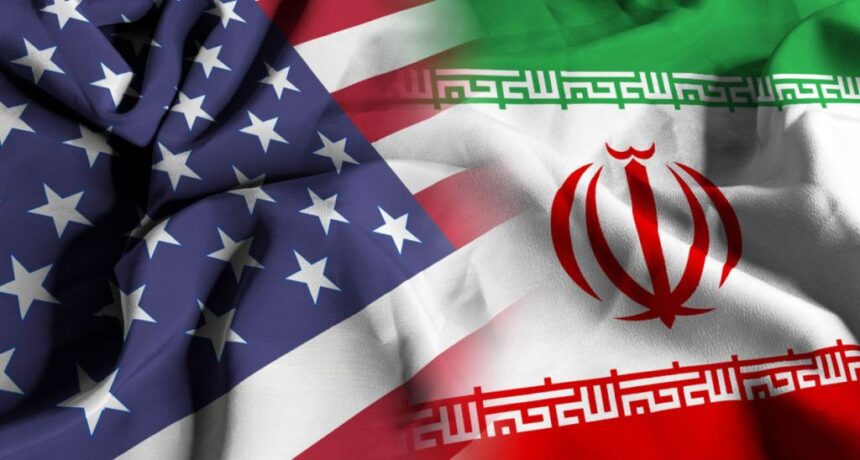
Iranian Parliament Speaker Mohammad Bagher Ghalibaf has said that Tehran’s position toward the United States has not changed, describing American threats as “a sign of American desperation.”
“Our position remains unchanged: there will be no action or negotiations until Iran’s seven conditions are met. We are prepared to respond decisively to any hostile action by the enemy, and if the adversary makes a miscalculation, we may change the geography of the conflict,” Ghalibaf said.
He said his remarks were a response to recent statements and threats by US President Donald Trump and Treasury Secretary Scott Bessent, which he described as “absurd.”
Bessent wrote on the social media platform X that his department would continue dismantling Iran’s illicit financial networks “until the head of the snake is buried.”

On Monday, the US Treasury Department announced sanctions against more than two dozen Iranian currency exchange houses, front companies and key individuals. According to the department, the measures are part of broader efforts to disrupt Iran’s global shadow banking networks.
Among the seven conditions set by Iran are the lifting of the US naval blockade of Iranian ports, easing sanctions, releasing frozen Iranian funds, ending military operations on all fronts and officially declaring an end to the war.



The latest statements show that the dispute between Tehran and Washington extends beyond diplomatic rhetoric. Iran is making the fulfillment of its demands a prerequisite for negotiations, while the United States continues to exert economic pressure through sanctions. These two approaches currently leave little apparent room for compromise.
Notably, Iran’s conditions concern not only sanctions but also military operations and the blockade of Iranian ports. Meeting them would therefore require a broader agreement than a separate arrangement on financial restrictions. Ghalibaf’s statement also indicates that Tehran is not prepared to begin negotiations without prior concessions. For now, it remains unclear whether either side is willing to change its approach.