


The prolonged investigation periods for traffic accidents and issues surrounding the storage of seized property in Armenia continue to spark serious grievances. This problem directly impacts drivers' pockets, as bureaucratic delays leave citizens without their property for extended periods, while vehicles are often stored in hazardous and dilapidated conditions.
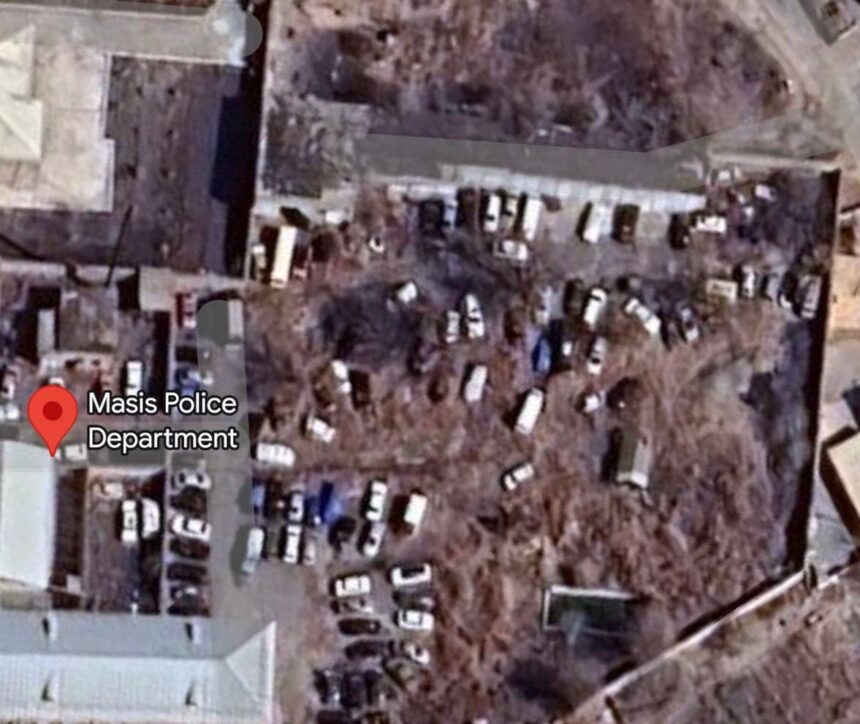
According to a driver who reached out to the editorial office, their vehicle was moved to the Masis police impound lot following a minor accident in which a passenger in the other vehicle sustained a slight injury. After being kept in uncertainty for exactly three months, the car was finally returned to the owner, but with conditions that prohibit the use of the property: the driver is forbidden from selling, repairing, or driving the vehicle. This occurred despite the investigative authorities having already secured all necessary evidence, with no further forensic examinations required.
In addition to the bureaucratic hurdles, the reporting citizen raises critical questions regarding safety and storage conditions. For months, the car was left in an open-air area in the middle of a field, under 40-degree heat, surrounded by dry grass reaching human height.
Given that the vehicle is a modern electric car, which lacks basic charging and maintenance facilities, the owner questions the authorities: if the dry grass had caught fire in that heat, or if the electric vehicle's batteries had exploded due to direct sunlight and overheating, who would have been held responsible? The fire would have spread and scorched the entire area. If the state system lacks appropriate conditions for storing electric vehicles, why are they taken and subjected to risks of deterioration and fire for months?

The driver raises the issue before state agencies and the country's leadership, personally addressing Nikol Pashinyan: why is a simple process that could be resolved in a few days dragged out for 5-6 months, creating the impression that the state apparatus is boycotting the performance of its own functions? Who will compensate for being deprived of transport for months and for the potential damage to the battery due to improper conditions, especially when the owner is forbidden from even restoring the vehicle after its return?
This incident once again highlights the need for systemic reforms, where decisions on straightforward cases must be made within reasonable timeframes, and the state's storage of a citizen's property should not turn into its deliberate deterioration or endangerment.