
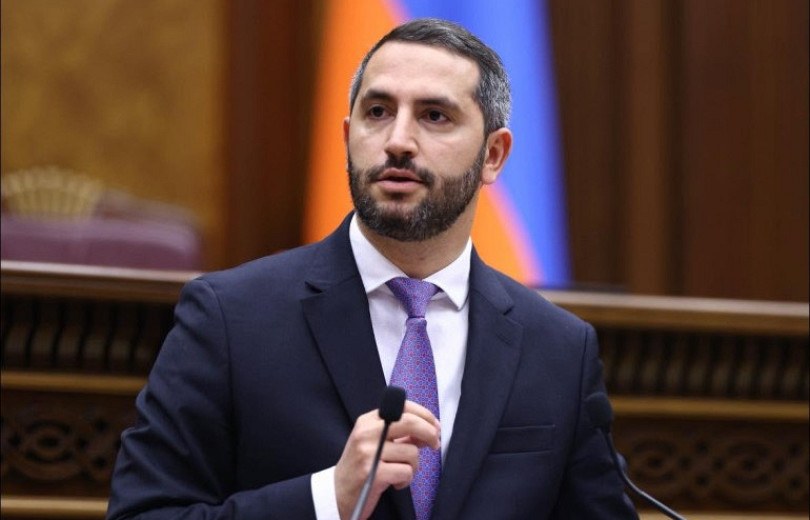
The normalization process between Armenia and Turkey is progressing more slowly than the dialogue between Armenia and Azerbaijan. This was stated by Ruben Rubinyan during a National Assembly session in response to questions from opposition lawmakers.
According to Rubinyan, the Azerbaijani side has lifted railway transit restrictions sooner than Turkey. He also emphasized that economic transactions already exist between the two countries, specifically direct trade in petroleum products. Against this backdrop, he noted, active steps from Turkey are being delayed.
"I do not know the reason why Armenia and Turkey should not have diplomatic relations and open borders as early as tomorrow," he remarked.
Rubinyan acknowledged that during the process, statements often come from Turkey attempting to link normalization with other issues, which slows down progress. However, he assured that the full normalization of relations is only a matter of time, and Armenia continues to pursue a consistent policy.

Lawmakers had expressed concern regarding the presence of preconditions, but Rubinyan stressed that all Armenian governments since independence have tried to achieve success on this difficult path. Although the process is not as fast as one might wish, it is expected that the situation will change in the near future. This process is of significant importance for regional stability, as the opening of borders will create new economic opportunities. The stance of international actors may also influence the future pace of negotiations.
This statement is a clear signal that Yerevan considers the dialogue with Turkey more complex than the engagement with Baku. In the diplomatic sphere, this implies that there are more hidden agendas in relations with Ankara.



It will be interesting to observe whether Turkey will change its tactics in the coming months or if the process will remain at this same point. It is also important to understand how these differing tempos in both directions will affect Armenia's security environment.