




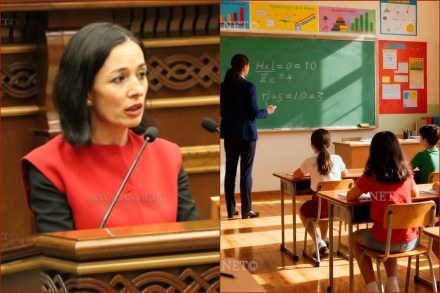
Prevention of drug, psychotropic substance, alcohol, and tobacco use among adolescents will no longer be limited to routine classroom discussions. New standards approved by the order of the Minister of Education, Science, Culture and Sports (MoESCS), which will take effect on September 1, 2026, define clear responsibilities for schools across three main areas.
The first direction relates to student awareness. Schools must organize informational events, screen videos, and conduct discussions as well as thematic courses that demonstrate the risks and consequences of harmful substance use to students.
The second critical requirement is working with parents. Homeroom teachers and specialists will hold dedicated meetings with parents to train them on recognizing early signs of harmful habits in adolescent behavior and managing prevention effectively.
In the third direction, schools must support meaningful extracurricular engagement for students. Active student involvement after classes aims to promote a healthy lifestyle and build social resilience.

In addition, school staff are required to promptly identify emotional or behavioral changes in students and notify the protection team. School psychologists will provide psychological support to adolescents exhibiting risk behaviors and, if necessary, refer the family to specialized services.
The introduction of these new standards indicates that the state is trying to shift away from a formalistic approach to fighting harmful habits in schools. Moving from formal talks to a comprehensive system involving psychologists, homeroom teachers, and parents is theoretically a step in the right direction.


In practice, however, the primary burden will fall on school psychologists and homeroom teachers, who are already overwhelmed with administrative tasks. Whether schools have sufficiently trained specialists to teach parents how to spot early signs, or if this will turn into another bureaucratic exercise, will become clear after the start of the academic year.