

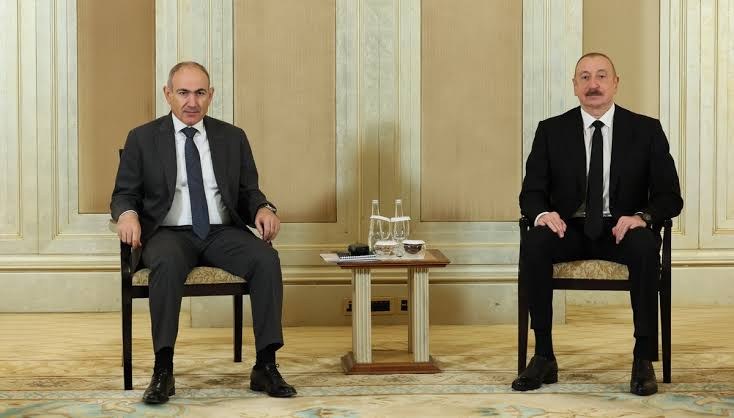
The Shanghai Cooperation Organization summit in Bishkek, scheduled for August 31 to September 1, is expected to see the participation of leaders from 17 states, including Armenian Prime Minister Nikol Pashinyan, Azerbaijani President Ilham Aliyev, and Turkish President Recep Tayyip Erdogan.
Among the high-level guests will also be UN Secretary-General Antonio Guterres, CIS Secretary-General Sergei Lebedev, CSTO Secretary-General Talaatbek Masadykov, Chairman of the Eurasian Economic Commission Board Bakytzhan Sagintayev, as well as Secretary-General of the Conference on Interaction and Confidence Building Measures in Asia Kairat Sarybay.
During the summit, participants will discuss international and regional agenda items, future directions for SCO development, and opportunities for expanding cooperation in political, trade and economic, transportation, digital, environmental, and humanitarian spheres.
The event is expected to result in the adoption of a declaration dedicated to the organization's 25th anniversary, along with several decisions and thematic statements. During an expanded meeting in the "SCO Plus" format, leaders will address the role of the UN and international law, sustainable development issues, and the further deepening of mutually beneficial cooperation.
Notable at this summit is not only the number of participants but also the fact that key regional players—Pashinyan, Aliyev, and Erdogan—will be simultaneously at the negotiating table. Although the SCO agenda primarily concerns economic and security cooperation, in practice this platform could become a venue for informal contacts and behind-the-scenes talks, which is particularly significant at the current stage of Armenian-Azerbaijani relations.
Also of interest is the participation of the UN Secretary-General, which raises the international profile of the event. In the coming days, it will be worth watching which direction decisions take, especially in the "SCO Plus" format, as issues beyond the organization's traditional agenda are often raised there.