



During military exercises to defend Oslo's airport in September, personnel from the Norwegian Armed Forces discovered that rented Chinese vehicles had retained video recordings of their movements and secret access codes to military installations.
The vehicles' built-in cameras and systems recorded not only the soldiers' movements, but also the digital codes they entered at military checkpoints to open gates, doors, and secure areas, as well as information on who was in the car, where it went, and how long it stayed at a given location.
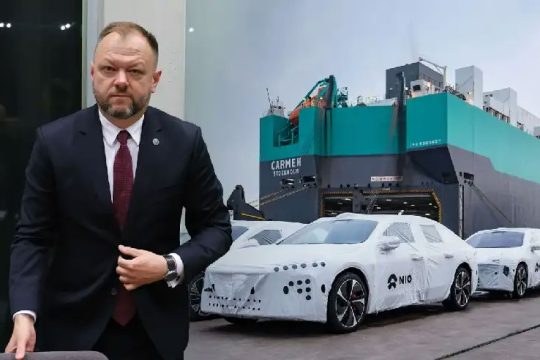
The Norwegian Armed Forces had rented the vehicles from Hertz due to limited alternative transportation, with the investigation mentioning at least two Deepal electric vehicles belonging to the Chinese state-owned Changan concern, as well as a Volvo, which is owned by China's Geely Group.
This incident has raised serious concerns about the extent to which data collected in modern cars can expose military movements and facility access data, although the published information does not in itself prove that this data was transferred to Chinese authorities.


Modern cars have long ceased to be mere means of transportation and have transformed into complex mobile systems that constantly collect and process large amounts of information. When such technologies appear in the vicinity of military installations or exercises, security issues become more urgent than ever, as the digital footprint can include sensitive data.
This situation demonstrates that defense structures and government agencies will be forced to revise their logistics and rental approaches to rule out similar surprises and potential risks in the future.