


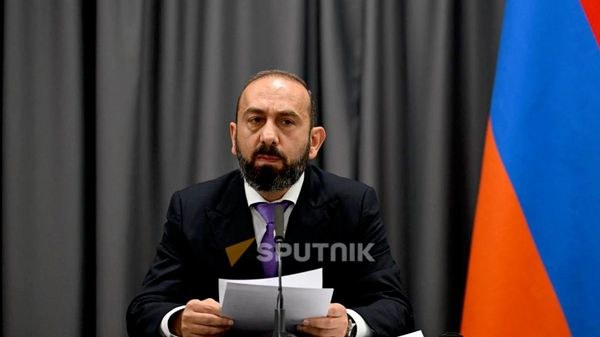
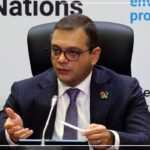
The state border between Armenia and Turkey could open even sooner than the parties manage to appoint new envoys for the normalization process, Armenian Minister of Foreign Affairs and International Trade Ararat Mirzoyan announced following a meeting with OSCE Chairperson-in-Office and Head of the Federal Department of Foreign Affairs of Switzerland Ignazio Cassis.
According to the minister, dialogue on normalizing relations between the two countries has matured to the point where a final and comprehensive result could be achieved at any moment. Yerevan and Ankara are in almost daily contact. Negotiations are ongoing; however, as Mirzoyan noted, until final agreements are reached, they are not being fully disclosed to the public.
Tangible progress has nonetheless been made. Turkey has lifted technical restrictions on exports of goods to Armenia, meaning that in Turkish business systems, Armenia is no longer listed as a blocked destination. Restoration work on the historic Ani Bridge continues, and the joint working group established to address the reopening of the Gyumri–Kars railway holds regular meetings.
Mirzoyan also addressed the business forum held in Kars. He noted that the gathering generated significant interest, prompting plans to host an expanded business conference in Armenia soon. The minister expressed hope that the closed border will open on this occasion specifically to allow the passage of business representatives.
There are no diplomatic relations between the two countries, and the border has been unilaterally closed by Ankara since 1993. The normalization process resumed in late 2021 with the appointment of special envoys Ruben Rubinyan and Serdar Kılıç. However, the agreement reached in Vienna in 2022 to open the land border to third-country nationals and launch direct air cargo trade has yet to be implemented in practice.
Such optimistic diplomatic tones are rare, particularly against the backdrop of the 2022 Vienna agreement on opening the border to third-country citizens remaining on paper for years. The delay in implementing that accord underscores that, beyond technical and commercial contacts, deep-rooted political obstacles persist.

While lifting export bans and holding railway discussions are indeed positive economic signals, the central question remains the same: is Ankara ready to decouple the full opening of the border from other regional developments, or will these statements once again fail to translate into tangible actions?