



Microsoft is shifting its approach to Windows 11 optimization by dropping the recommendation of 32GB of RAM. The company has quietly removed relevant mentions from its support articles, including those regarding improving PC gaming performance. Previously, it was suggested that 32GB was ideal for users running demanding games or applications, but the company is now focusing on optimizing the system for devices with 8GB and 16GB of memory.
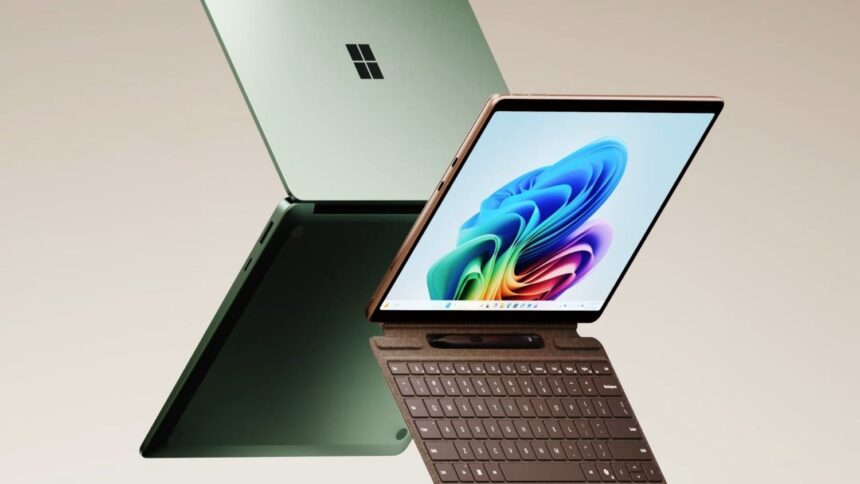
This change is driven by the global memory hardware crisis, which has led manufacturers to produce more laptops with 8GB or 16GB of RAM. Microsoft has also been forced to include 8GB versions in its Surface Pro and Surface Laptop models, which do not meet Copilot+ PC standards. Parts of the Windows 11 interface rely on web technologies that consume more memory, prompting the company to rework core components of the operating system.
On a positive note, Windows developers plan to reduce the memory consumption of key applications and features by the end of the year. This optimization will improve performance not only for 8GB devices but also for more powerful systems with 16GB and 32GB of memory.
This decision demonstrates how hardware market realities are forcing software giants to reconsider their messaging. For years, 32GB was considered the "gaming" standard, but in the current economic climate, it is clear that software optimization has become unavoidable even for Microsoft.


It remains to be seen whether the promised updates by the end of the year will fully resolve the overloading issues on 8GB devices. The extent to which the user experience will change under heavy workloads without additional physical memory remains an open question.