


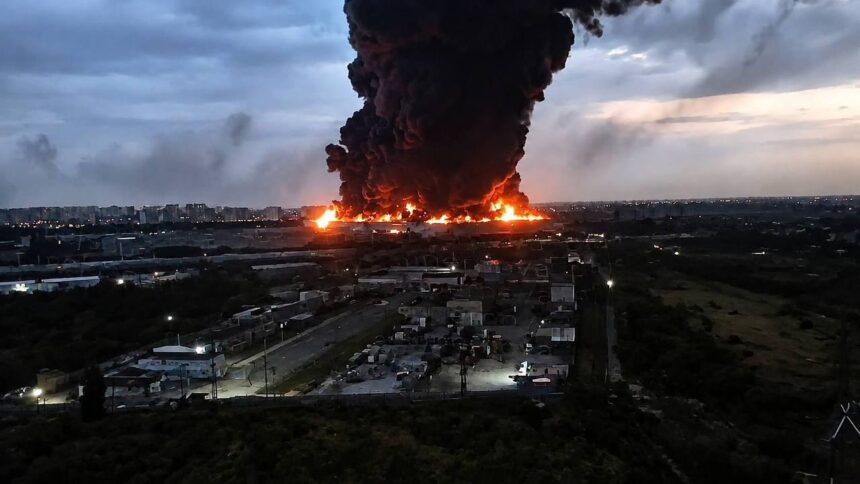
Ukrainian drone strikes on Russian marketplace Wildberries' warehouses have had severe consequences for Armenian producers and sellers. Approximately 20 percent of the company's infrastructure was affected by the attacks starting July 18, damaging over 1 million square meters of space. Many of the nearly 4,000 Armenian merchants actively working on the platform have found themselves in a desperate situation, having lost both their inventory and funds in their accounts.
Affected sellers report that the company is refusing to provide proper compensation or is offering negligible amounts that are nowhere near the actual losses. Kristine Lulukyan, for example, suffered a $3,000 loss while receiving only 70,000 drams in compensation. The situation is further complicated by the fact that Wildberries does not allow sellers to withdraw their property from undamaged warehouses, citing logistical overload. Merchants are often forced to buy back their own goods as ordinary customers.
Interestingly, the problems for Armenian merchants began months before the attacks. Since the end of April, the visibility of Armenian shops on the Russian market had dropped sharply under the guise of new customs requirements, which many link to indirect restrictions on Armenian goods. The situation becomes even more suspicious in light of the fact that just 11 days before the attacks, the company amended its contract, absolving itself of responsibility for damages caused by drone strikes.
Ongoing corporate conflicts surrounding Wildberries, including blatant scandals regarding ownership rights, create additional uncertainty. Various theories circulating about the company, including the possible involvement of government circles, suggest that sellers have become hostages to major geopolitical and internal business disputes. As of now, it is unclear whether the victims will be able to recover their massive financial losses through any legal means.

The current situation shows how small businesses can lose everything in an instant, becoming targets of technocratic decisions and military actions. This raises the question of whether the contractual change by Wildberries was a premeditated move to shift risks onto the sellers.
It is clear that Armenian producers have found themselves in unequal competitive conditions, where legal protection becomes impossible. The coming weeks will show whether there will be collective legal actions or if the victims will be forced to resign themselves to total loss.