




The National Oceanic and Atmospheric Administration (NOAA) has sent nine letters to the country’s regional fishery management councils, proposing a review of existing restrictions and looser conditions for commercial fishing. The initiative is linked to President Donald Trump’s April 2025 executive order, “Restoring American Seafood Competitiveness.”
The proposals concern reviewing marine protected areas, removing conservation measures for certain species, changing fishing gear regulations, and expanding commercial fishing. NOAA has also urged the councils to consider removing from the list species that no longer require protection and management.
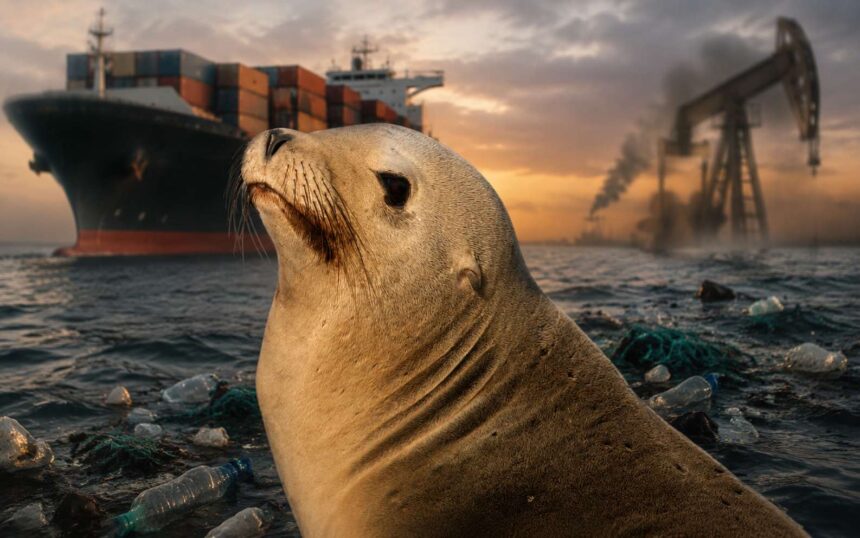
The changes could affect endangered animals. In Hawaii, the agency has proposed removing restrictions on fishing gear interactions with leatherback sea turtles, while off the coast of Alaska, it has proposed reducing protected areas for Steller sea lions. In New England, expanding access to protected areas is also under consideration.
Separate proposals concern North Atlantic right whales. NOAA wants to weaken or make optional requirements for using equipment designed to reduce the risk of whales becoming entangled.


Environmental groups and industry experts argue that short-term economic interests should not take precedence over scientifically based management. They also point out that climate change is largely overlooked in the proposals, even as warming waters are changing the distribution of fish stocks.
The proposals have also raised questions about the authority of regional councils. Under the Magnuson-Stevens Act, these councils develop fishery management plans, while NOAA’s role is to ensure that they comply with requirements aimed at preventing overfishing, reducing bycatch, and protecting habitats.



NOAA has said that the information is contained in the letters and communications, but it has not responded to questions about how many protected areas or species could lose their protection.
The central conflict surrounding these proposals is between economic interests and long-term conservation. Even if expanding areas available for fishing increases catch opportunities in the short term, experts warn that reducing protected areas could weaken the conditions needed for fish stocks to recover. For that reason, it is difficult to assess the impact of the changes solely by looking at today’s catch volumes.
Another key issue is how decisions are made. If regional councils are required to review their management plans, uniform requirements from the federal government could alter the logic of the previous process. At the same time, it remains unclear which specific areas and species could lose existing protections, limiting the ability to fully assess the proposals’ consequences.