



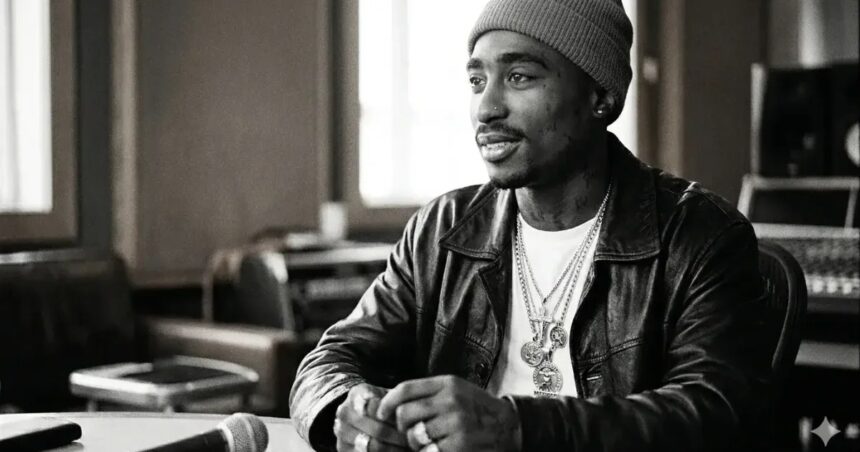
Duane "Keffe D" Davis, a former street gang leader, has been officially convicted of orchestrating the murder of rap legend Tupac Shakur, marking the first conviction in a case that remained unsolved for nearly three decades and haunted hip-hop fans worldwide.
The court found Davis guilty in the September 7, 1996, killing of the rap star in Las Vegas, and during the trial, a 2008 police interrogation recording was played in which Davis admitted to being in the car from which shots were fired but insisted he did not fire the bullets that killed Shakur.
Prosecutors argued that Davis, the former leader of the South Side Compton Crips, did not personally fire the weapon but orchestrated the killing and supplied the gun later used by his nephew, Orlando Anderson, who died in a random shooting in 1998 and had consistently denied any involvement in Shakur's death.
Tupac Shakur was just 25 years old when he was taken from life at the peak of his career, having already become one of rap's most influential icons, and his recordings have sold over 75 million copies worldwide, underscoring the magnitude of the uproar surrounding his murder.

For roughly 30 years, the case was considered one of America's most famous unsolved murders, spawning countless conspiracy theories and speculation, but no one had faced accountability for the crime before Davis's verdict, a fact that long frustrated fans seeking justice.
Trial evidence showed that Davis planned the shooting as retaliation after Anderson had confronted Shakur and his entourage in Las Vegas hours earlier, and the incident unfolded against the backdrop of intense rivalry between the U.S. East Coast and West Coast rap scenes, as well as the Bloods and Crips gang conflict, which had already deeply permeated hip-hop culture by that time.


The decision finally puts an end to three decades of uncertainty, though many questions remain: attorneys have already announced they will appeal the verdict, and the full truth of who fired the shot stays unknown since the primary shooter is long dead.
This also marks the close of one of hip-hop history's greatest unsolved mysteries, and it is significant that the court was able to hold the orchestrator accountable based on evidence, even if the process took 30 years. Still, without the direct testimony of the shooter, many details will likely never be uncovered, feeding new conspiracy theories.