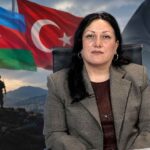



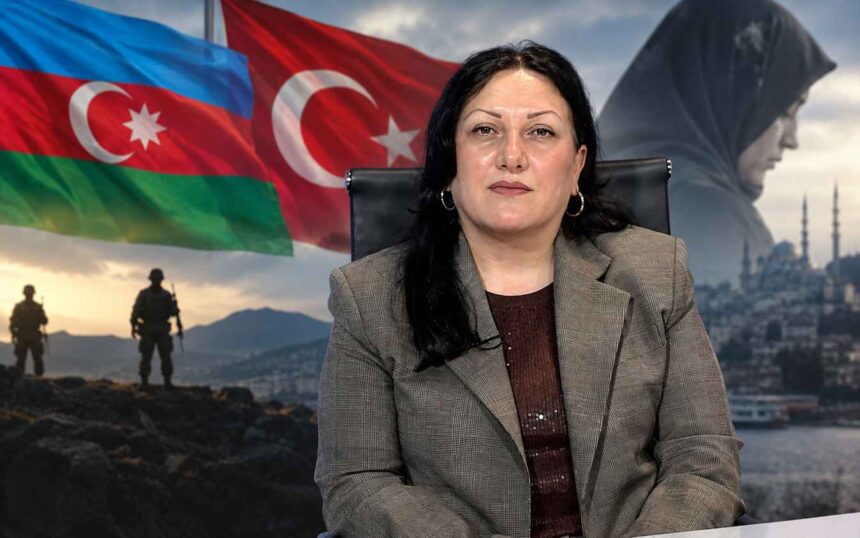
The controversy surrounding the ban on wearing hijab in Azerbaijani schools and the subsequent criticism from Turkey provide grounds to talk about a potential crisis between the two countries, as Turkologist Nelli Minasyan notes that despite the well-known "one nation, two states" formulation, the states have separate national interests that, in this case, have caused overt disagreements.
According to the expert's clarification, the hijab topic is not the core issue, but merely an occasion to voice accumulated dissatisfactions in Turkey, which are primarily linked to the Israeli factor and its influence. Since Turkey has strained relations with Israel, this inevitably impacts Azerbaijani-Turkish relations, and essentially, it is the Turkish side demanding a clarification of stances.
Although economic investments between the two countries are nearly equal, Turkey has established serious control over Azerbaijan's security structures, as Turkish generals led operations during the war, and a large portion of the Azerbaijani army's officer corps was trained in Turkey.
In addition, through religious soft power, Turkey aims to counterbalance Iranian influence and reduce Shiism, as a result of which quite a few Azerbaijanis have transitioned toward reconstructed Anatolian Sunnism in recent years.

Touching upon the role of other international players, the Turkologist states that Russia has already lost its leverage and cannot influence these processes, whereas the Israelis and the British hold serious influence.
Interrelations between Azerbaijan and Turkey are often presented as an unshakeable alliance, yet such incidents demonstrate that a clash of geopolitical interests can create tension even between countries considered closest. The Israeli factor and the redistribution of regional influence often remain outside the broad public's attention, whereas they are precisely what shapes the real political agenda. Further developments will show to what extent the sides will be able to smooth out these contradictions without entering into open confrontation.