

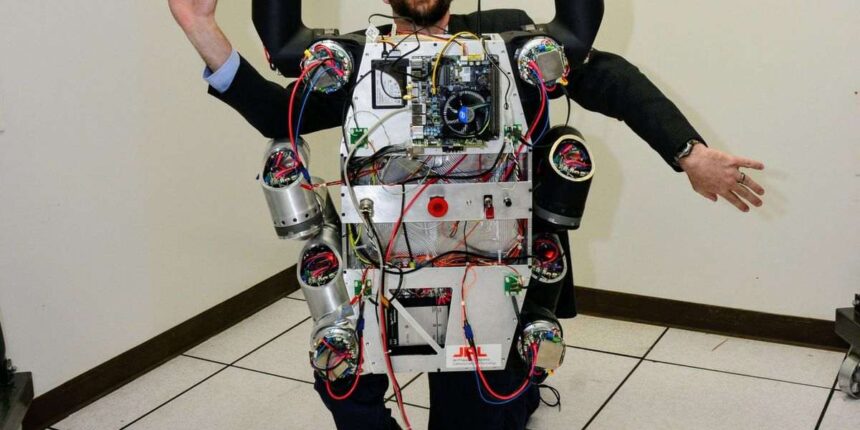
The field of robotics has recently seen a major breakthrough: the use of diffusion policies is allowing robots to convert visual stimuli directly into actions. This means a robot can act on what it sees almost without delay — without human intervention or additional processing stages.
Such an approach significantly accelerates the autonomy and adaptability of humanoid robots. In other words, robots are becoming more independent and adapting more quickly to changing situations and environments.
This shift could affect not only laboratory testing but also the future use of robots in everyday life, from manufacturing to the service sector. If a robot can turn what it sees into movement immediately, its reaction speed approaches that of a human — something that was previously hard to imagine.
However, it remains unclear how stable this technology is in real, unpredictable environments, where light, noise, or moving objects can interfere. Diffusion models perform well under controlled conditions, but field testing is still limited.
It is worth watching how this approach develops in the coming years and whether it becomes a standard solution for humanoid robots.