




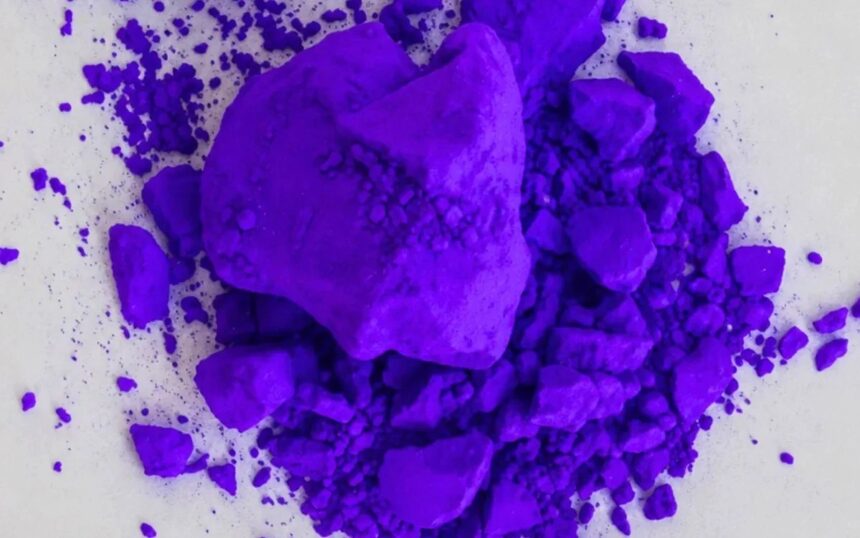
Chinese and Australian engineers have created a specialized non-woven fabric with extraordinary properties. Manufactured using the electrospinning of thermoplastic polyurethane fibers, the new material boasts a vibrant purple color while reflecting sunlight and heat far more effectively than traditional white fabrics. Experts plan to use this technology to create self-cooling clothing and heat-protective coverings in the future.
At the core of the new material is a cobalt-based metal-organic framework known as ZIF-67. This component absorbs light strictly within the optical spectrum while exhibiting a high degree of reflectance in the near-infrared range. Additionally, ZIF-67 produces a significant amount of radiation in the mid-infrared range, allowing it to dissipate heat rather than accumulate it.
The resulting fabric reflects nearly 88% of incoming sunlight and emits over 96% in the mid-infrared spectrum. As a result, the material barely heats up under solar radiation. During field tests, the temperature beneath this sample was 5.6 degrees Celsius lower than the ambient environment. For comparison, standard white cloth or plastic provided a drop of only 3.1 degrees.
The novelty retained its properties even after 50 washes. As for the purple hue, experts are confident that it can be altered in the future as the technology develops further.


This development demonstrates how materials science can reshape our understanding of summer clothing and protective coverings. While white has traditionally been considered the best protection against the sun, novel physical solutions are shattering that stereotype.
Notably, the new material maintains its efficiency after multiple wash cycles, which is key for practical applications. If researchers succeed in obtaining other shades as well, self-cooling textiles could rapidly enter mass production.