




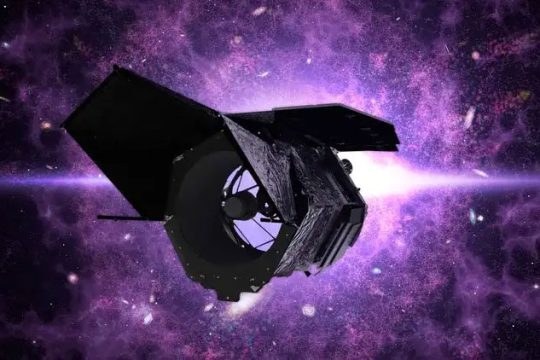
NASA's new Nancy Grace Roman Space Telescope, which is set to launch into space on August 30 aboard a SpaceX Falcon Heavy rocket, has been built using technology originally intended for former spy satellites. Back in 2012, the U.S. National Reconnaissance Office gifted NASA two unused telescopes that had initially been developed under a spy program, and their optical systems, we are told, were similar to those installed on Hubble.
The space agency decided to use that equipment for the Roman telescope, replacing the electronics and making the necessary modifications. While this move was presumably expected to reduce the mission's costs, it remains unclear just how much money was actually saved.
The Roman telescope's primary objectives include studying dark energy, exploring distant planets, and generally expanding our understanding of the universe, so this unusual project holds significant scientific potential.
What makes this project intriguing is the way it brings together two seemingly entirely different worlds: military intelligence and fundamental science. And while Hubble in its time faced serious criticism precisely because it was built with spy technologies, in Roman's case NASA seems to be openly embracing that legacy.

In effect, the agency received ready-made, high-quality optics that only needed to be adapted to new tasks, which raises the question: why were two such sets of equipment built for spy satellites left unused in the first place? It is unlikely to have been a mere technical error. And the lack of official information about cost savings only adds to the curiosity and a certain ambiguity about just how much this telescope really cost.