

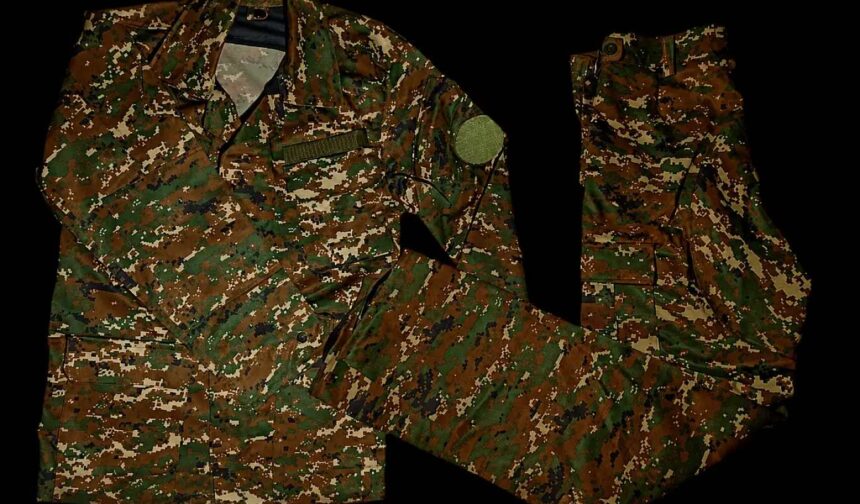
Between August 22 and 24, three soldiers died in Armenia under various circumstances; however, the Ministry of Defense stated in each case that the incidents were unrelated to military service. These deaths have not been included in the official army mortality statistics, which report 14 casualties over the last eight months. This comes despite the fact that more than 30 soldiers have died in Armenia since the beginning of the year, with suicide being the preliminary cause for at least eight of those deaths.
On August 24, Armlur reported that a soldier’s relatives found his body hanging before he was due to return to his unit for duty. The Ministry of Defense responded immediately, noting that the deceased was not on duty at the time and the incident occurred at his place of residence, an animal farm, and therefore could not be classified as an army-related accident. At the end of its statement, the ministry complained about the media, demanding that they refrain from targeting the army, as, according to them, recent reports negatively affect the morale of the troops.
A day earlier, on August 23, the body of 37-year-old contract soldier Hayk Movsisyan was found near his military unit in Sisian with a gunshot wound; the preliminary theory is suicide. According to some sources, he died in front of the military unit, while others suggest it occurred in his own room with two shots to the chin. The Ministry of Defense once again claimed the cause of death was unrelated to his service.
On August 22, the body of 22-year-old conscript Edgar Gevorgyan was found in a Vayk military unit with a gunshot wound. The Investigative Committee launched a criminal case for murder, within the framework of which an alleged perpetrator—the deceased’s fellow soldier—was arrested, marking the second such murder case this year.
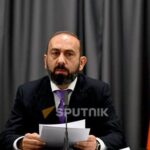

Against the backdrop of this situation, Defense Minister Suren Papikyan admitted that he does not know the reason for the frequency of these deaths and cannot provide an assessment, though he noted that he bears his share of responsibility, as do those who tolerate criminal subculture. Meanwhile, Prime Minister Nikol Pashinyan cited soldiers sleeping at their posts as one of the causes of the deaths, noting that this issue has intensified under peace conditions and leads to non-statutory situations. Following this, four officials were dismissed, and an interdepartmental working group was established.
The most critical issue here is how easily the Ministry of Defense “disconnects” fallen soldiers from general statistics, classifying their deaths as unrelated to service. In reality, this implies that the army bears no responsibility for the life of its own soldier if he dies outside the borders of the military unit or while on leave, where, in essence, military discipline should also be maintained.
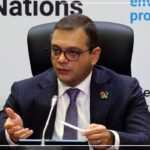
It is noteworthy that officials' explanations regarding the causes of death change within a week from poor upbringing and mental instability to soldiers sleeping peacefully, while ultimately the responsibility is shifted to the media, which allegedly worsens the psychological state of the troops. At the same time, authorities refuse to address why more than 30 soldiers have lost their lives since the start of the year and why this problem, despite promises, remains unsolved.